No Result
View All Result
  • 로그인
No Result
View All Result
서울대학교 행복연구센터
No Result
View All Result

Layous, K., Lee, H., Choi, I., & Lyubomirsky, S. (2013). Culture matters when designing a successful happiness-increasing activity: A comparison of the United States and South Korea.

서울대학교 행복연구센터 by 서울대학교 행복연구센터
7월 19, 2021
in 행복DB, 행복연구센터 발간자료
0
Layous, K., Lee, H., Choi, I., & Lyubomirsky, S. (2013). Culture matters when designing a successful happiness-increasing activity: A comparison of the United States and South Korea.
Share on Facebook

Research shows that performing positive activities, such as expressing gratitude and doing acts of kindness, boosts happiness. But do specific positive activities work equally well across cultures? Our study examined the role of culture–activity fit by testing two positive activities across two cultures. Participants from the United States (n = 250) and South Korea (n = 270) were randomly assigned to express gratitude, perform kind acts, or engage in a neutral activity for the first half of a 6-week positive activity intervention. Multilevel growth modeling analyses revealed that the effect of practicing gratitude or kindness was moderated by culture: U.S. participants increased in well-being (WB) from both activities, γ11 = 0.19, SE = 0.06, t(511) = 3.04, p = .0006; γ12= 0.11, SE = 0.06, t(511) = 1.73, p = .03 (compared with the control group), but South Korean participants benefited significantly less from practicing gratitude than did U.S. participants, γ13 = −0.24, SE = 0.07, t(511) = −3.36, p = .002. South Korean participants, however, showed similar increases in WB as did U.S. participants when performing kind acts, γ14 = −0.06, SE = 0.07, t(511) = −0.82, ns. Finally, although greater self-reported effort yielded significantly larger increases in WB for U.S. participants, the effect of effort was not as strong for South Korean participants. We posit that, due to their dialectical philosophical tradition, South Koreans might have been more prone to feel mixed emotions (e.g., indebtedness and gratitude) while engaging in the gratitude letter activity than did U.S. participants.


Layous, K., Lee, H., Choi, I., & Lyubomirsky, S. (2013). Culture matters when designing a successful happiness-increasing activity: A comparison of the United States and South Korea. Journal of Cross-Cultural Psychology, 44(8), 1294-1303.
Tags: positive activitiesSubjective well-being
Previous Post

한민, 최인철, 김범준, 이훈진, & 김진형. (2012). 한국인의 마음지도 Ⅰ: 한국 대학생의 정서, 사고방식, 가치관. 한국심리학회지: 일반, 31(2), 435-464.

Next Post

Kim, J., Kang, P., & Choi, I. (2014). Pleasure now, meaning later: Temporal dynamics between pleasure and meaning. Journal of Experimental Social Psychology, 55, 262-270.

Related Posts

[연구참여자 모집/사례 지급] 자유연상 패턴과 심리적 속성 간의 관계 탐색
연구논문

[연구참여자 모집/사례 지급] 자유연상 패턴과 심리적 속성 간의 관계 탐색

5월 21, 2024
968
Vol.92 몸으로 마음을 움직이는 법
미디어

Vol.92 몸으로 마음을 움직이는 법

2월 29, 2024
667
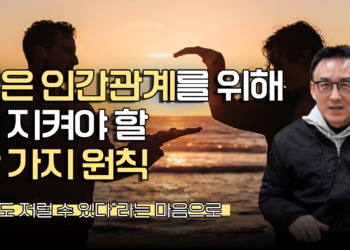
좋은 인간관계를 위해 꼭 지켜야 할 한 가지 원칙
미디어

좋은 인간관계를 위해 꼭 지켜야 할 한 가지 원칙

1월 9, 2024
1k
Next Post
Kim, J., Kang, P., & Choi, I. (2014). Pleasure now, meaning later: Temporal dynamics between pleasure and meaning. Journal of Experimental Social Psychology, 55, 262-270.

Kim, J., Kang, P., & Choi, I. (2014). Pleasure now, meaning later: Temporal dynamics between pleasure and meaning. Journal of Experimental Social Psychology, 55, 262-270.

  • 01-행복연구센터
  • 01-행복연구센터-교육사업
  • 01-행복연구센터-문화컨텐츠사업
  • 01-행복연구센터-센터소개
  • 01-행복연구센터-연구사업
  • 02-행복DB
  • 02-행복DB-도서
  • 02-행복DB-명언
  • 02-행복DB-미디어
  • 02-행복DB-보고서
  • 02-행복DB-언론자료
  • 02-행복DB-연구논문
  • 02-행복DB-웹사이트
  • 02-행복DB-행복연구센터발간자료
  • 03-행복스토리
  • 03-행복스토리-보고서스케치
  • 03-행복스토리-북챕터스케치
  • 03-행복스토리-연구스케치
  • 03-행복스토리-오피니언
  • 03-행복스토리-카드뉴스
  • 03-행복스토리-행복교육연구스케치
  • 04-뉴스레터
  • 05-행복교육
  • 05-행복교육-행복교과서
  • 05-행복교육-행복교과서 챕터가이드
  • 05-행복교육-행복교육워크숍
  • H드라이브
  • 개인정보 취급방침
  • 메인화면
  • 에디터
  • 이용약관
  • 카드뉴스
  • 페이스북
  • 행복연구센터
  • 회원가입
  • 💌 서울대학교 행복연구센터 뉴스레터가 새롭게 찾아옵니다.
서울대학교 행복연구센터

이용약관| 개인정보 취급방침
08826 서울특별시 관악구 관악로 1 서울대학교 220동 643호 TEL: 02-880-6391 FAX: 02-877-6391 Email: happiness@snu.ac.kr
Copyright@2016 Center for Happiness Studies. All rights reserved.

Welcome Back!

Login to your account below

비밀번호 찾기

Retrieve your password

Please enter your username or email address to reset your password.

Log In
No Result
View All Result
  • 01-행복연구센터
  • 01-행복연구센터-교육사업
  • 01-행복연구센터-문화컨텐츠사업
  • 01-행복연구센터-센터소개
  • 01-행복연구센터-연구사업
  • 02-행복DB
  • 02-행복DB-도서
  • 02-행복DB-명언
  • 02-행복DB-미디어
  • 02-행복DB-보고서
  • 02-행복DB-언론자료
  • 02-행복DB-연구논문
  • 02-행복DB-웹사이트
  • 02-행복DB-행복연구센터발간자료
  • 03-행복스토리
  • 03-행복스토리-보고서스케치
  • 03-행복스토리-북챕터스케치
  • 03-행복스토리-연구스케치
  • 03-행복스토리-오피니언
  • 03-행복스토리-카드뉴스
  • 03-행복스토리-행복교육연구스케치
  • 04-뉴스레터
  • 05-행복교육
  • 05-행복교육-행복교과서
  • 05-행복교육-행복교과서 챕터가이드
  • 05-행복교육-행복교육워크숍
  • H드라이브
  • 개인정보 취급방침
  • 메인화면
  • 에디터
  • 이용약관
  • 카드뉴스
  • 페이스북
  • 행복연구센터
  • 회원가입
  • 💌 서울대학교 행복연구센터 뉴스레터가 새롭게 찾아옵니다.
  • 로그인

이용약관| 개인정보 취급방침
08826 서울특별시 관악구 관악로 1 서울대학교 220동 643호 TEL: 02-880-6391 FAX: 02-877-6391 Email: happiness@snu.ac.kr
Copyright@2016 Center for Happiness Studies. All rights reserved.