![[연구참여자 모집/사례 지급] 자유연상 패턴과 심리적 속성 간의 관계 탐색](https://www.happyfinder.co.kr/wp-content/uploads/2024/05/워드프레스_연구참여자모집-360x180.png)



Choi, J., & Choi, I. (2017). Happiness is medal-color blind: Happy people value silver and bronze medals more than unhappy people. Journal of Experimental Social Psychology, 68, 78-82.
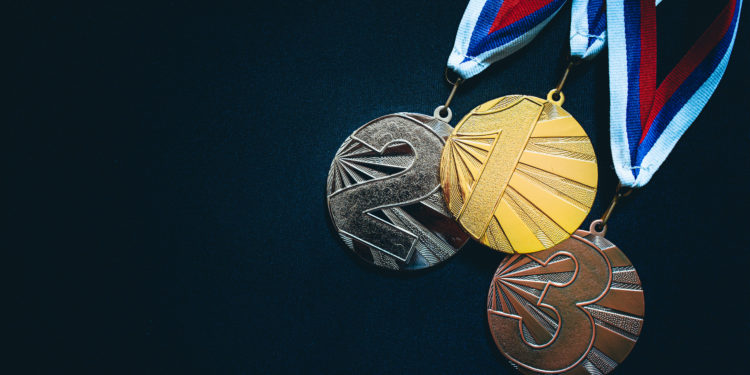
The present research examined whether happy and unhappy people perceived the value of Olympic medals (i.e., Gold, Silver, and Bronze) differently. We hypothesized that, compared to unhappy people, happy people would perceive greater value for silver and bronze medals in relation to a gold medal because happy people habitually savor even small things more than unhappy people. In support of our argument, happy relative to ...
![[센터장 인사말] 서울대학교 행복연구센터의 센터장 최인철입니다.](https://www.happyfinder.co.kr/wp-content/uploads/2021/05/greetings-120x86.png)

![Vol.70 [행복달력] MAY Happiness Calendar](https://www.happyfinder.co.kr/wp-content/uploads/2022/04/5월_행복달력_커버페이지-1-120x86.png)